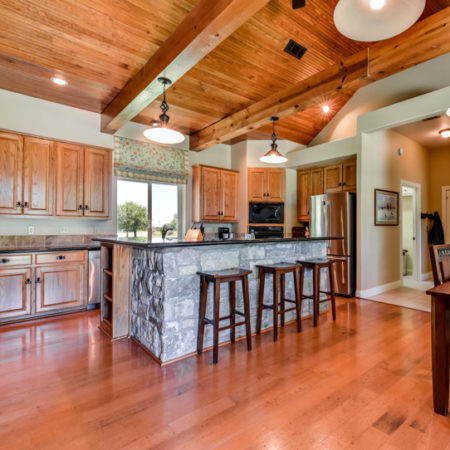
Crate And Barrel Living Room

Crate And Barrel Living Room

Rose is a full-time freelance writer who frequently writes about education, special education, DIY projects, food, Milwaukee, and more.

How to Decorate a Small Living Room

Every small living space offers design challenges. While it's important to make all of the rooms in your home functional, the living room is especially key because many people spend a lot of their time at home in the living room. From selecting furniture that is an appropriate scale for the space to maximizing hidden storage solutions to strategically placing a mirror to add depth and light, there are an extensive range of practical and easily attainable design ideas that will help you create the living room of your dreams in your small space.

6 Small Living Room Ideas

1. Select Furniture to Fit the Existing Space

2. Consider Hidden Storage

3. Create a Focal Point

4. Add Light and Depth

5. Don't Be Afraid of Color

6. Take Advantage of Vertical Space
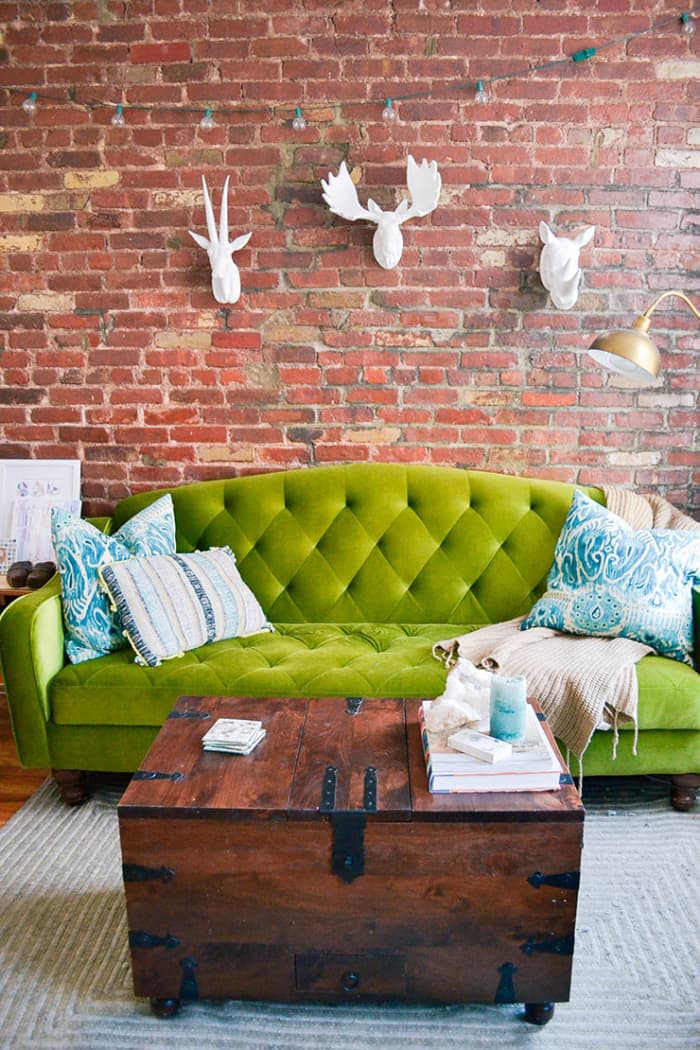
The trunk serves as a coffee table and storage piece while adding a funky vintage touch to the living room.

The trunk serves as a coffee table and storage piece while adding a funky vintage touch to the living room.

1. Select Furniture to Fit the Existing Space

  • Determine Scale and Configuration

When you're working with a compact living room, large-scale furniture often isn't an option. Be realistic about the space. For example, if an oversized recliner won't fit, choose a pair of smaller chairs. Many people also get hung up on common furniture configurations. For example, nothing says that you need a full-sized sofa in your living room. A love seat paired with a bench and an armchair may work more naturally in your space.

  • Think Multifunctional

Choosing multifunctional pieces will also make the most of your living room. For example, a bench with storage will provide seating while housing pillows and blankets. A coffee table or console table makes a great addition to a living room but only when it makes sense for the space. Your small living room may be better suited for two small tables that open up the space and can be moved as needed to accommodate different functions.

  • Consider Floating Furniture and Low Seating

Floating furniture and low seating can make all the difference when it comes to keeping the space open and flowing. Design a floating furniture arrangement in the center of the room instead of pushing pieces up against the walls. Install shelves and other built-in components off the floor to create the illusion of space. If you choose low seating, select pieces that don't distract from the focal statement in the room. For example, a pair of low stools in front of the mantel will keep the fireplace as the focus of the living room.
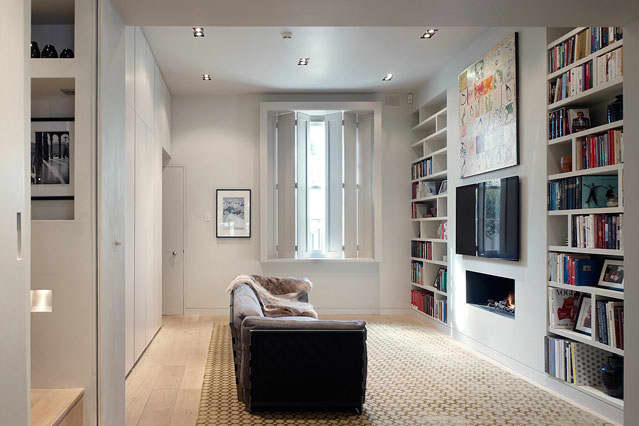
The wall length built-in keeps this narrow living room streamlined and clutter free.

The wall length built-in keeps this narrow living room streamlined and clutter free.

Concealed storage is a great way to house items in the living room without creating a cluttered space. Furniture pieces that boast concealed storage, such as an ottoman with built-in storage, are a great option. You may also want to consider decor pieces that do double duty as storage, such as colorful baskets or jars. Do you have a hard time finding concealed storage pieces that don't take up a ton of floor space? Think about biting the bullet and devoting a single wall to built-in storage. To further streamline the storage, keep your items in the built-in hidden behind doors or curtains.

Read More From Dengarden
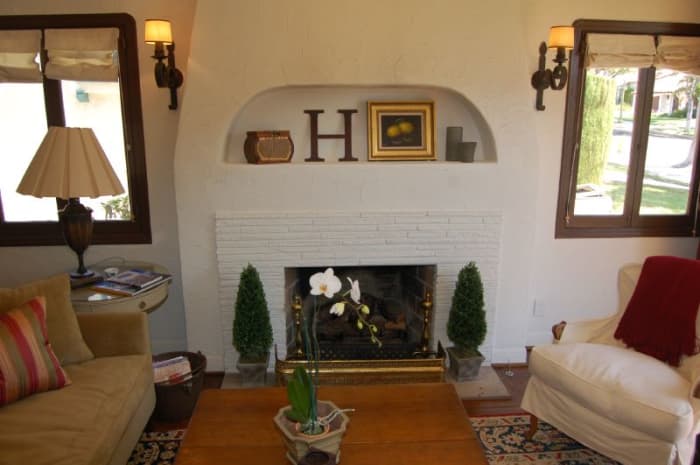
The living room layout showcases the focal fireplace and mantel.

The living room layout showcases the focal fireplace and mantel.

3. Create a Focal Point

A focal point is ideal for drawing people into a space while making it more uplifting and even sophisticated. Think about focusing your living room around a fireplace, sofa, coffee table, artwork, or mirror. Once you've settled on your focal point, design the rest of the living room around your statement piece to pull the entire look together.
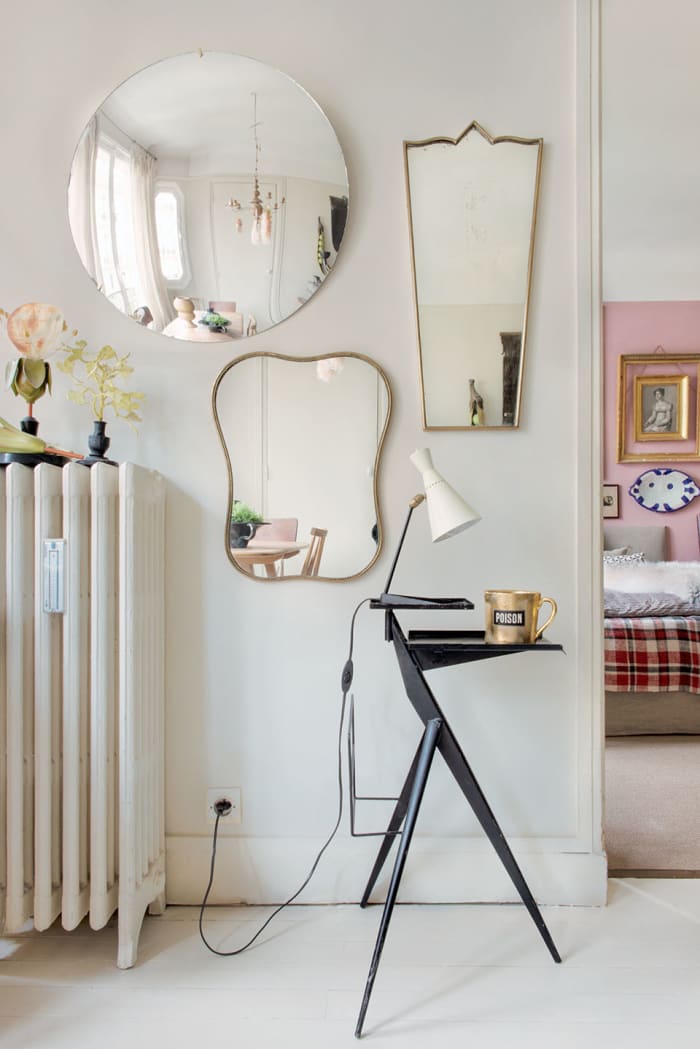
The mirrors reflect the whole space, making it appear larger, while bringing more natural light into the room.

The mirrors reflect the whole space, making it appear larger, while bringing more natural light into the room.

4. Add Light and Depth

Small living rooms with flat features and dark corners look dreary, even when they boast unique furniture and wall hangings. Maximize the natural light in the room, and don't be afraid to add artificial light sources as well. You'll bring even more light and depth into your compact living room with wallpaper and strategically placed mirrors and plants. Purely decorative mirrors still pack a visual punch and draw extra light into the space.
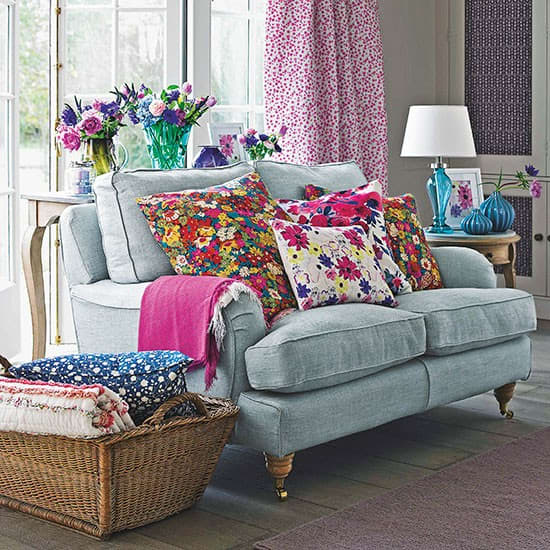
The floral theme ties the colored items in the room together.

The floral theme ties the colored items in the room together.

5. Don't Be Afraid of Color

Many people steer clear of color in small living rooms, believing that it will overwhelm the space. While there is nothing wrong with designing a small living room that features neutral shades, color can make the space appear larger. Select a color scheme with a maximum of three shades to create a unified aesthetic. If you want to use additional colors, incorporate them as accents. Typically lighter shades make a space look larger, but careful use of darker shades takes the style and drama in the room up a notch.

When you paint a small living room, select a satin or semigloss finish to reflect the light. If you want to tie the color scheme in the room together without painting or buying new furniture, consider an area rug. Layer a rug over carpeting to make the room feel cozier or conceal dark flooring with a brightly colored rug to lighten up a dark space.
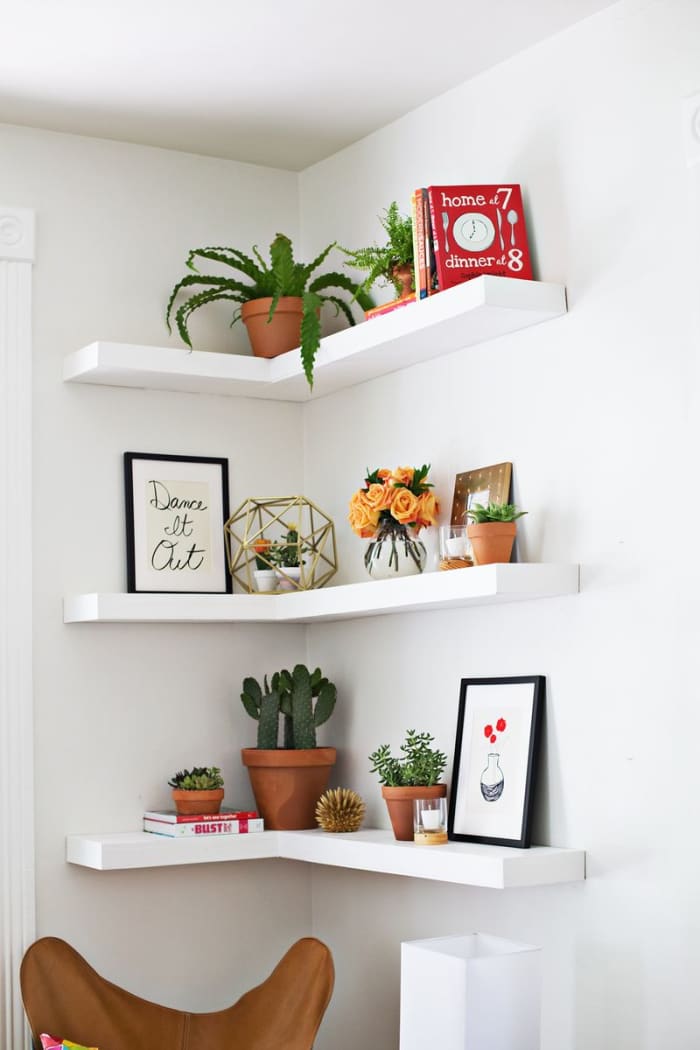
This set of floating shelves draw the eye up while adding room for knick knacks in otherwise wasted corner space.

This set of floating shelves draw the eye up while adding room for knick knacks in otherwise wasted corner space.

6. Take Advantage of Vertical Space

Build up instead of out to maximize the available space. When you hang curtains, place the curtain rods right below the ceiling. Then choose curtains that extend all the way to the floor to make the ceiling look higher. If you're selecting art or other wall hangings, consider designing a gallery wall or choosing a few large pieces that fill the whole space. Do you have an odd nook that currently serves little or no purpose in the living room? Think about constructing shelves to simultaneously add storage and draw the eye upward.

Small Family Room Design

Finally, creating the ideal flow for your small living room is an ongoing process. It often takes weeks, or even months, of living with a living room arrangement to determine what is and isn't working. Don't be afraid to keep making tweaks and adjusting the layout until you find a arrangement that suits you and your family.

Additional Small Home Resources

  • Frugal Storage Ideas for Small Homes: Creative, Unique Organization Methods
    Creating functional storage for a small home is simple when you're equipped with the right organizational tools. Pick up purchasing resources, general organization tips, and much more.
  • How to Make the Most of a Small Kitchen: Simple, Affordable Kitchen Solutions for Every Budget
    Organize and brighten up your small kitchen space with practical solutions to create a functional yet inviting space for family and friends.

© 2016 Rose Clearfield

Riffat Junaid on June 30, 2020:

Very good article you wrote very helpful tips and pictures are so beautiful you added.

Chitrangada Sharan from New Delhi, India on April 05, 2016:

Excellent hub!

I enjoyed going through your tips and suggestions to design and lay out a small living room. Using the place below staircase is a very nice idea. Very attractive pictures to complement your interesting and useful hub.

Thanks for sharing!

Crate And Barrel Living Room

Source: https://dengarden.com/interior-design/How-to-Design-and-Lay-Out-a-Small-Living-Room
Share:

Loma Living

Loma Living

Welcome

Alta Loma is a transformational experience for individuals diagnosed with chronic Psychiatric and Substance Abuse issues. Alta Loma is designed as a solution for individuals with Psychiatric and Substance Use Disorders who may not have found success at other traditional treatment programs. By providing a structured environment where residents can find emotional and psychological stability, Alta Loma will address the whole person and help them to integrate successfully into society.

That's why so many men have chosen Alta Loma for the quality psychiatric care that can help them sustain their recovery. Alta Loma sees things differently; we see you and we offer the kind of personalized care that you won't find elsewhere, ensuring you have the highest likelihood of staying healthy and sober for life. Alta Loma provides a high-quality and proven transformational care programs, offering a comprehensive array of tools and the support that can help you sustain your new healthy lifestyle.

Engineered for Success

Alta Loma recognizes that all individuals are unique; so are the solutions you'll need to keep you healthy now that you've completed your residential care. From life skills training to nutrition planning, Alta Loma will provide you with the education and safe, support-filled environment where you can increase your confidence and grow your independence, preparing you for successful living on your own.

You can accomplish these goals in a setting that places your psychological, emotional and physical needs and your comfort at the forefront, with staff as well-prepared as they are committed to your individual needs. Your healthy independence is our primary goal, so you will receive as much or as little assistance as you need to achieve your ideal outcome, and always the right help at the right time.

Alta Loma Provides Comprehensive Care With Compassion

We Offer:

  • Individual treatment for psychiatric and substance abuse needs
  • Medication management assistance
  • Comprehensive life-skills education
  • 12-Step support
  • Dedicated and comprehensive care coordination with our medical professionals
  • Recovery advocate Sessions
  • Extensive on-site Psychiatric care
  • Family collaboration and Education

Our guests can relax in the confidence that every aspect contributing to their mental health and sobriety will be answered, throughout their stay, making their time at Alta Loma truly productive and uplifting.

Testimonials

Our Latest Testimonials

Great team of professionals that truly care about the work they do with their clients.

Great staff with beautiful amenities!

"Truly DUAL diagnosis facilities are hard to find. Grateful!"

Read More Testimonials

a man sitting by the sea

High-Functioning Depression Isn't as High-Functioning as You Think

When we think of someone with high-functioning depression, we probably envision the person at the grindstone with work every day, distant with friends…

woman doing fitness excercise

Physical Fitness Makes You Mentally Fit

It's well-documented that obesity and poor diet can worsen and create mental health symptoms such as depression. Avoiding worsening depression, however, isn't the…

When Can You Find Time to Meditate?

Meditation is one of the healthiest activities to relieve anxiety, depression, stress, and pain. This practice involves focusing on your breathing, the way…

woman wearing black hat facing towards the sky with her eyes closed

The Basics of Heroin Detox

Detox is short for detoxification, meaning that your body is purging itself of toxins. There are two different methods to detox from heroin.…

Intensive Outpatient Programs: What Is it and Who Is it For?

There are multiple levels of care in substance abuse and mental health treatment, starting at residential treatment programs that require 24-hour care. However,…

lady taking a selfie

Symptoms of Narcissistic Personality Disorder

Narcissistic personality disorder (NPD) is a personality disorder associated with distorted thinking. Those who struggle with this disorder often seem extremely confident but…

Explaining the 3 Clusters of Personality Disorders

Within the domain of personality disorders, there are three distinct clusters into which symptoms and similar disorder characteristics are grouped together. In each…

Paper brain and heart tree and wellness concept

Personality Disorders and Autism Often Co-Occur

Having two or more disorders at the same time is known as having co-occurring disorders. Often, a person's struggle to cope with their…

young female teenagers wearing masks while standing on stairs of university

How Has the COVID-19 Pandemic Impacted Teens' Health?

Adolescents have been going through a confusing time in their lives because of the COVID-19 pandemic. Kids have not been able to attend…

Vector of a human head brain breaking into small gear mechanisms

The Lesser Known Symptoms of Schizophrenia

Has there ever been an accurate portrayal of schizophrenia in media? Not only are there far too many evil schizophrenic characters, but they…

Loma Living

Source: https://www.altaloma.com/

Share:

Living With Popcorn Lung

Living With Popcorn Lung

We include products we think are useful for our readers. If you buy through links on this page, we may earn a small commission. Here's our process.

The safety and long-term health effects of using e-cigarettes or other vaping products still aren't well known. In September 2019, federal and state health authorities began investigating an outbreak of a severe lung disease associated with e-cigarettes and other vaping products . We're closely monitoring the situation and will update our content as soon as more information is available.

Popcorn lung is a rare condition that causes airway scarring due to inflammation and eventually lung damage.

While treatments exist to limit and manage symptoms, currently there is no cure for popcorn lung, and it is considered life-threatening.

Scan of popcorn lung, aka bronchiolitis obliterans <br />Image credit: Xie, B-Q, et al., PLOS, 2014 March</br> Share on Pinterest
Popcorn lung is characterized by the lung tissue scarring and becoming narrow. This can lead to breathing problems.
Image credit: Xie, B-Q, et al., PLOS, 2014 March

Popcorn lung is a rare medical condition that damages the bronchioles, the lung's smallest airways.

Over time, inflammation associated with popcorn lung causes lung tissues and airways to scar and narrow, causing breathing difficulties.

Popcorn lung gets its name from a chemical called diacetyl, which was once commonly used to give food products, such as popcorn, a rich, buttery flavor. In fact, the condition was first identified among popcorn factory workers who inhaled the chemical in the workplace.

Popcorn lung is also known as obliterative bronchiolitis, bronchiolitis obliterans, or constrictive bronchiolitis. Popcorn lung can be mistaken for a different condition called bronchiolitis obliterans organizing pneumonia (BOOP).

The symptoms of popcorn lung may be subtle and therefore easy to overlook, and the condition may be mistaken for other lung diseases. People with other respiratory conditions, especially chronic conditions such as asthma, may not be able to tell new symptoms apart from long-term complaints.

Besides diacetyl, there are a variety of other chemicals that can cause popcorn lung. Certain lung infections can cause it as well.

Symptoms typically occur within 2 to 8 weeks after infection or exposure to a chemical and slowly worsen over weeks to months. Some people may develop popcorn lung after transplant surgery, but it may take months to years to develop.

The most common signs and symptoms of popcorn lung include:

  • wheezing that is not related to another health condition, such as bronchitis or asthma
  • dry cough
  • shortness of breath or difficulty breathing deeply, especially with physical activity
  • unexplained exhaustion
  • rapid breathing
  • persistent skin, eye, mouth, or nose irritation if caused by a chemical

People should seek immediate medical attention whenever breathing becomes difficult, or if they experience chest pain or shortness of breath that leads to dizziness. People should also see their doctor if symptoms occur or chronic symptoms worsen.

Chemical damage to the lung tissues can cause popcorn lung, as can a few other factors. Although some hereditary conditions can cause popcorn lung, it is not considered an inheritable disorder.

Breathing in harmful chemicals, particles, or toxins can lead to popcorn lung. Food-flavoring fumes produced during the manufacture of candies, potato chips, popcorn, and dairy products, are major culprits.

Other examples include:

  • fumes from industrial or cleaning chemicals, such as ammonia or chlorine
  • nitrous oxide, also known as laughing gas
  • metallic fumes from construction activities, such as welding
  • industrial air particles, such as complex dust

Other factors that have been shown to cause or increase the likelihood of developing popcorn lung include:

  • certain viral or bacterial respiratory infections
  • having had a transplant
  • immune conditions, such as rheumatoid arthritis and hypersensitivity pneumonitis
  • certain drugs, such as penicillamine, 5-fluorouracil, and gold

Transplant surgeries may cause a condition called graft-versus-host disease, which occurs when the body rejects organ transplantation, particularly after lung, bone marrow, or stem cell transplants. This reaction can also lead to popcorn lung.

Share on Pinterest
The chemicals found in e-cigarette liquid, known as "e-juice," may be a potential cause of popcorn lung.

According to the American Lung Association, using electronic cigarettes or vaping, particularly the flavored varieties, can cause popcorn lung.

Once the dangers associated with diacetyl were discovered in the early 2000s, the majority of popcorn producers stopped using the chemical. However, e-cigarette vapor has been proven to contain diacetyl.

A 2015 study of flavored e-cigarettes found that 39 out of 51 tested brands contained diacetyl. The same study concluded that most of these brands also contained the toxic chemicals acetoin and 2,3 pentanedione.

Manufacturers add diacetyl to the "e-juice" that is vaporized by e-cigarettes, most commonly to the strongly-flavored varieties. Diacetyl occurs in a wide range of different flavored e-cigarette products, ranging from vanilla to caramel and coconut.

E-cigarettes only came under the control of the U.S. Food and Drug Administration (FDA) in 2016. Changes to regulations may be required in the coming years as more research is carried out.

A diagnosis of popcorn lung usually follows after a person has presented with the symptoms but has no other respiratory conditions.

Once a doctor suspects the condition, they will often perform a full exam and review the person's medical history. In particular, the doctor will look for possible causes, such as exposure to toxic fumes or infection.

Doctors may recommend further tests to confirm the diagnosis.

Commonly used tests include:

  • Bronchoscopy: using a small, flexible, lighted instrument to look inside the airways. Airway washes can be done during the procedure to collect cell samples.
  • Biopsy: removal of a portion of affected lung tissue for examination under a microscope.
  • Pulmonary function tests (PFT): breathing tests used to assess and monitor the progress of symptoms.
  • Computer tomography (CT) scans of the chest: detailed images of the lungs and airways can appear as a "mosaic" pattern.
  • Chest X-rays: may be used alongside other tests.

Share on Pinterest
Steroids may be prescribed to treat popcorn lung.

The lung tissue scarring caused by popcorn lung is irreversible. Also, there is no cure for the condition once it has developed and begun constricting the airways.

There are treatment options to manage or reduce symptoms and limit further lung damage, however.

It is crucial to recognize symptoms and diagnose popcorn lung early. As symptoms progress, the lung damage becomes more severe, and treatment becomes far more challenging.

The type of treatment recommended depends on the cause and severity of the case. If cases are due to chemicals or toxins, the individual should immediately leave the environment where exposure occurred and not return.

Treatment options for popcorn lung can include:

  • macrolide antibiotics for the treatment of bacterial respiratory infections may work in some individuals
  • steroids, specifically corticosteroids to lessen inflammation
  • immunosuppressive drugs that reduce the activity of the immune system and limit inflammation
  • supplemental oxygen
  • a medication called Singulair (montelukast), which blocks specific immune cells that produce inflammation
  • a lung transplant for very severe cases

The long-term outlook for many cases of popcorn lung depends on the cause and how fast the disease worsens. Cases due to rheumatoid arthritis can have an especially poor outcome. It is important to work with a doctor to develop a treatment plan that is specific to the cause and other underlying health problems.

Popcorn lung is also a leading cause of death associated with heart-lung and lung transplants. An estimated 50 to 60 percent of those who survive 5 years after lung transplantation experience the most severe cases of popcorn lung.

The best way to prevent popcorn lung is to avoid lung damage. It is crucial to avoid the factors known to increase or cause the condition.

Ways to prevent the chances of developing popcorn lung include:

  • Not using e-cigarettes or other tobacco or vaping products, such as hookahs, especially those that use flavored products.
  • Avoiding areas or environments where it is possible to inhale chemicals or toxins, such as construction, demolition, and manufacturing sites.
  • Watching carefully for symptoms that may develop after organ transplants, especially lung, lung-heart, bone marrow, or stem cell transplants.
  • Wearing protective respiratory gear when exposed to environments where particles or toxins may be present in the air, such as deserts or heavily polluted areas. Various face masks are available to purchase online.

Living With Popcorn Lung

Source: https://www.medicalnewstoday.com/articles/318260

Share:

Grey And Mustard Living Room

Grey And Mustard Living Room

Living Room Decorating Ideas

iStock

The living room is one of the most important areas in your house for a great hosting experience. It's likely you and your guests will spend countless hours in this room, discussing and entertaining.

Decorating your living room properly will deliver deeply satisfying living for your leisure time. To get there, however, you must pay attention to all of the following areas:

1. the colors that you select

2. material and quality of seats and furniture

3. wall decorations and art

4. lighting and light fixtures

Below we show you some great ideas for decorating your living room.

The Best Colors for Your Living Room

One area that will have a disproportionate impact on the mood of your living room is the color you choose for the walls. While you can install wallpaper to change the look of certain walls, there are areas that wallpaper cannot cover. Getting the wall color right, therefore, gives you the best shot at creating a remarkable effect.

Some of the best color palettes for living rooms include:

1. White - White walls add a touch of class. They are the perfect backdrop for decorating with upscale furniture.

2. Turquoise - This color is great for creating an informal but refined feel. Your kids and family will love the refreshing mood this color creates.

3. Cream - Striking a balance between formal and informal, cream-colored walls create a quiet, soothing effect.

Furniture Choices

With your wall color selection made, you should select furniture that pairs well with the colors you've already chosen. For example, combining white couches with white walls will create resonance in your room design.

Make sure to provide ample seating to avoid crowding. Add multiple sofas, easy chairs and other seats that can accommodate a complete roomful of people, depending on the size of the room.

Furniture like TV stands and tables should generally blend in with the colors of the room and ceiling. There are some natural materials, however, that can work regardless of the colors on the walls. For example, wooden table surfaces look good whether your walls are white, blue or another color.

Lighting Ideas

You can greatly improve the aesthetics of a living room with bright lighting and impressive light fixtures.

To start, you can consider a beautiful chandelier in the center to provide light around the whole room. This central masterpiece ensures adequate lighting throughout the living room while adding an air of elegance.

You can then add to the light sources in the living room with individual lights on tables and around the walls in areas where people will not knock them down.

Carpeting

Consider adding carpeting to your living room to create a comfortable walking area. Carpeting lets you and your guests go barefoot if you choose. The living room almost demands this since you will want to take off your shoes and kick back on occasion. Warm plush carpets provide a good, comfortable surface for this. There are many choices when it comes to carpet size.

If your living room is very large, you can opt for wall-to-wall carpeting. On the other hand, if it's smaller, you can add just an area rug in the place where you will sit. For example, you can have a rug around the sitting and TV area where your kids will play.

The advantage of area rugs over wall to wall carpeting is, mainly, lower costs and ease of replacement. You can completely change the area rug and create a new aesthetic in a fraction of the time it would take to begin installing new wall-to-wall carpeting.

Art Ideas for Your Living Room

Many homeowners like to have some wall art in their living room. If your living room is spacious, it can accommodate a good-sized piece of art mounted alongside one wall. In some instances, you can consider multiple art pieces. Invariably, tasteful art adds to the sophistication of a living room. It adds an interesting item that sparks many conversations from impressed guests.

Selecting art is an opportunity to express your unique personality. If you are fairly conservative, you can select some classical type pieces that portray a quiet life. If you are more adventurous, you can experiment with a post-modern impressionist piece that others might consider risky. It's your space, and so feel free to decorate it to express who you are.

Grey And Mustard Living Room

Source: https://www.life123.com/home-garden/decor/living-room-decorating-ideas?utm_content=params%3Ao%3D740009%26ad%3DdirN%26qo%3DserpIndex

Share:
banner